
Witness statements in Kentucky accident cases can be powerful tools when used correctly. Eyewitness testimony often has a dramatic impact on jurors, especially when the witness is disinterested and has no connection to either party. There is something uniquely persuasive about hearing a neutral person describe what they saw and heard. However, when handled carelessly, witness statements can undermine a case instead of strengthening it.
When properly developed, witness statements in Kentucky accident cases make it easier for a Paducah personal injury lawyer to establish negligence by a preponderance of the evidence – meaning it is more likely than not that the defendant caused the accident. Proving negligence opens the door to compensation for economic losses such as medical bills and lost income, as well as noneconomic losses such as pain and suffering. In rare and extreme cases, punitive damages may also be available.
Why Lawyers Use Witness Statements
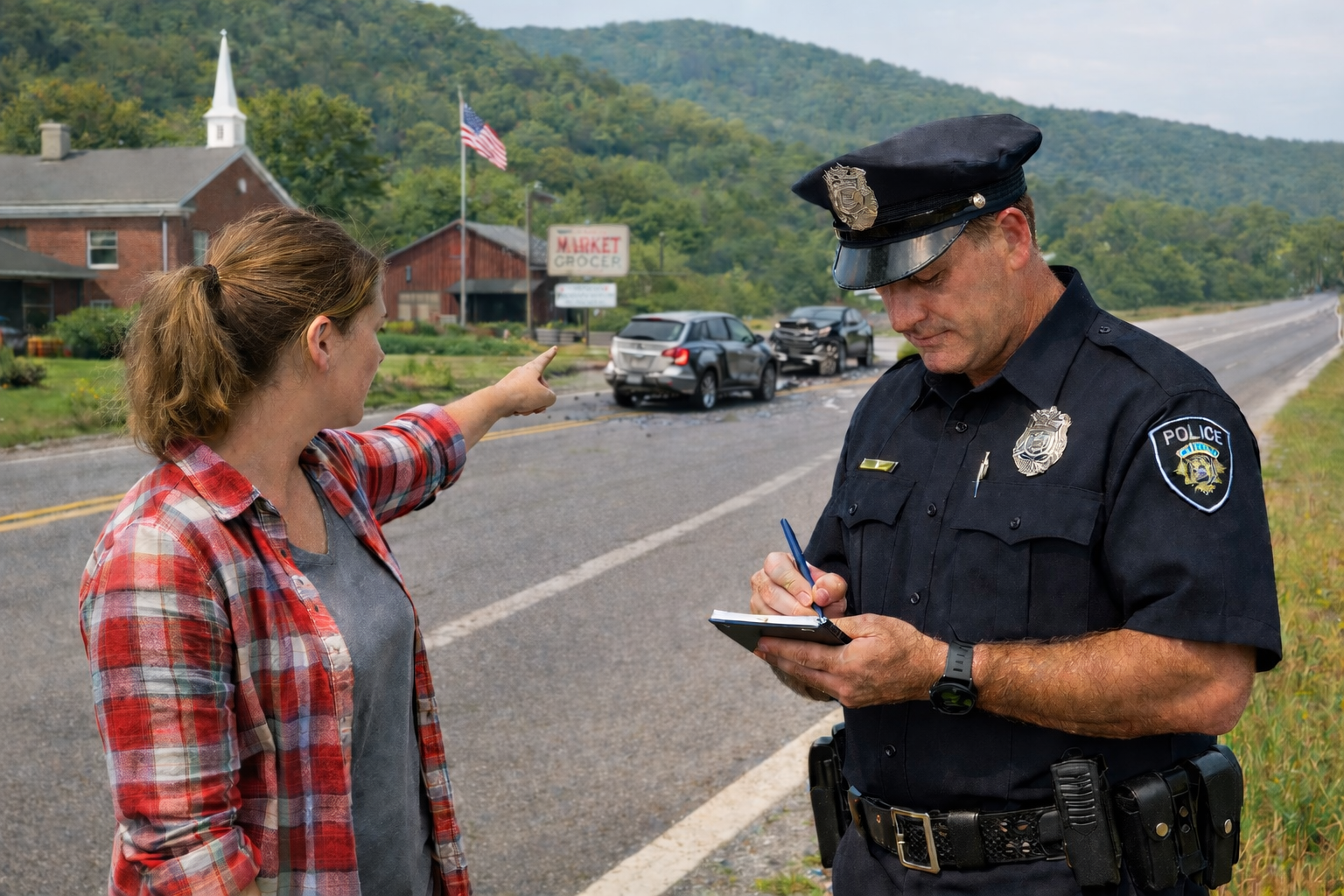
Eyewitnesses often play a central role in establishing fault. They may testify about basic violations such as running a red light or more serious conduct like reckless driving. Witnesses also help jurors visualize how an accident occurred by describing vehicle positions, traffic flow, weather conditions, and visibility.
Witness testimony can help fill gaps left by physical or electronic evidence. For example, a red-light camera may capture the moment of impact but not the reckless behavior that occurred moments earlier. Eyewitness testimony can provide that missing context.
Eyewitness accounts also reinforce a victim’s version of events. Many accident victims suffer head injuries that affect memory and perception. Even without physical injury, stress and trauma can distort recollection. When a neutral witness confirms a victim’s account, that confirmation often carries significant weight with jurors.
Obtaining Witness Statements
Police accident reports are often the starting point for identifying witnesses. These reports typically include names and contact information gathered by responding officers, but they are rarely complete.
Many people leave accident scenes quickly, especially after highway collisions. Some witnesses are hesitant to get involved, while others believe they only observed a small portion of the incident and assume their observations are not important. As a result, police reports often list only a fraction of the available witnesses.
To locate additional witnesses, attorneys may work with private investigators. While some individuals are reluctant to speak with police officers, they are often more willing to share what they observed with a Paducah personal injury lawyer or an investigator. Even partial observations can provide a missing piece in a negligence case.
Evaluating Witness Statements
Most eyewitnesses try to be truthful, and intentional deception is uncommon. Still, not every witness statement is equally reliable or persuasive. Common issues include:
- Consistency: A witness’s account should generally align with physical evidence and other testimony. If a witness claims a vehicle was struck on one side while damage clearly appears on the opposite side, credibility may be significantly undermined.
- Detail: Vague statements lack impact. Responses such as “I don’t know” or “I didn’t see that” weaken testimony. Specific, descriptive accounts are far more compelling.
- Viewing Angle: An effective eyewitness is close enough to observe key details but positioned far enough away to understand the overall scene. Witnesses with this perspective are uncommon but extremely valuable.
A weakness in one area does not automatically disqualify a witness. Judges generally allow jurors to hear imperfect testimony and decide how much weight to give it.
Using Witness Statements
Before trial, attorneys interview witnesses to understand their testimony and avoid surprises. During trial, a Paducah personal injury lawyer must properly authenticate the testimony before it can be presented to the jury.
Witness interviews should remain focused on observable facts. Attorneys often caution witnesses against repeatedly discussing the incident on social media, as repetition can blur details over time, and opinions or speculation are not admissible in court.
Authentication typically involves two steps. First, a Murray personal injury lawyer must show that the witness has an independent recollection of the event. Second, the lawyer must establish that the witness is not biased or prejudiced. This process allows jurors to evaluate testimony in proper context.
Expert witnesses, such as doctors or accident reconstruction engineers, are subject to additional rules and procedures. Those issues are beyond the scope of this discussion.
Non-Human Witness Statements
Surveillance video and similar recordings function as non-human eyewitnesses. Like human testimony, this evidence must be properly authenticated before it can be shown to jurors.
A Paducah personal injury lawyer must demonstrate that the recording equipment was functioning properly at the time of the accident and that the footage accurately reflects what occurred. Even when authentication is incomplete, such as when maintenance records are missing, judges often still allow jurors to view the footage and determine its reliability for themselves.
Connect With the Lawyers at Saladino & Schaaf, PLLC
Witness statements in Kentucky accident cases often determine whether an injured victim receives fair compensation or settles for less than the claim is worth. Proper identification, evaluation, and presentation of eyewitness testimony can make a decisive difference.
If you were injured in a vehicle accident, contact us today. Your consultation is always free. Call (270) 444-0406 (Paducah) or (270) 753-1529 (Murray). Our attorneys represent clients throughout McCracken County, Calloway County, Marshall County, Graves County, Ballard County, Lyon County, Livingston County, Trigg County and many other surrounding communities. Our offices are conveniently located in Paducah and Murray.